

The Chobani Lawsuit has attracted significant attention from consumers, legal observers, and food industry analysts due to allegations involving product marketing, labeling practices, and consumer protection concerns. As one of the most recognizable yogurt brands in the United States, Chobani has faced legal scrutiny over how certain products were advertised and presented to consumers.
Many people searching for information about the lawsuit want to know whether a settlement exists, who may qualify for compensation, how claim processes work, and whether any payouts have been announced. Understanding the facts behind the litigation is essential because lawsuit details can change as cases move through the courts or settlement negotiations progress.
This guide explains the allegations, legal developments, settlement considerations, eligibility questions, and what consumers should know about current Chobani lawsuit discussions.
Why Chobani Became the Subject of Legal Action
Consumer lawsuits involving food manufacturers often focus on product labeling, advertising statements, ingredient disclosures, health claims, or alleged deceptive marketing practices.
In litigation involving Chobani products, plaintiffs have generally argued that certain representations made on packaging or in marketing materials may have influenced purchasing decisions. These types of lawsuits typically rely on state consumer protection statutes, unfair competition laws, and false advertising regulations.
When courts evaluate such claims, they often examine:
- Product packaging language
- Marketing campaigns
- Ingredient disclosures
- Consumer expectations
- Scientific evidence supporting advertised claims
- Regulatory guidance from relevant agencies
The outcome of these cases can affect not only consumers but also industry-wide labeling standards.
Understanding the Core Allegations
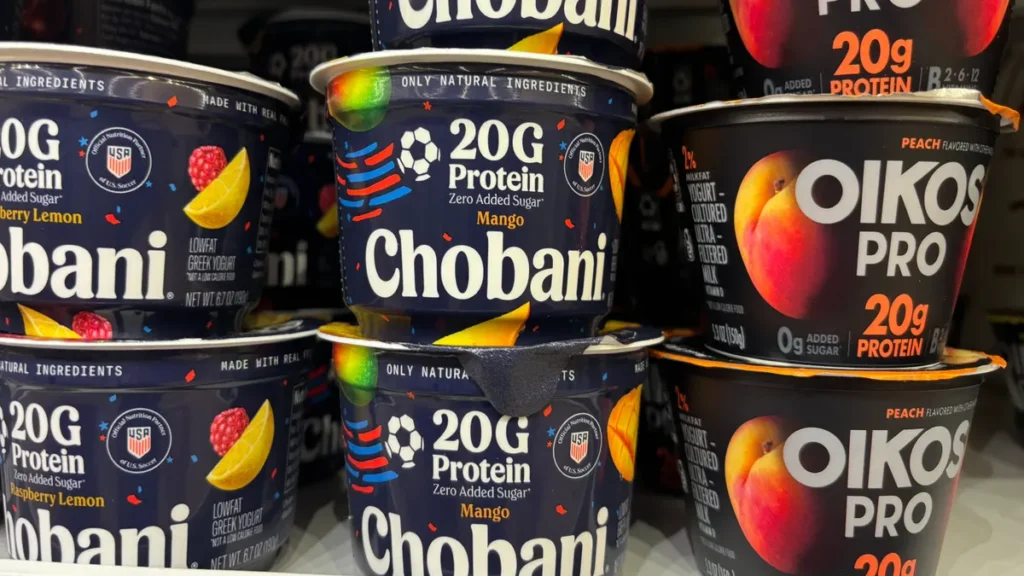
Although different lawsuits may involve different products or legal theories, consumer actions against food manufacturers generally center on whether a reasonable consumer could have been misled by product representations.
Common allegations seen in food-labeling litigation include:
- Misleading health-related claims
- Questions regarding ingredient sourcing
- Alleged discrepancies between advertising and product composition
- Label statements that consumers interpret differently from manufacturers
- Marketing practices allegedly creating inaccurate impressions
It is important to recognize that allegations in a lawsuit are claims made by plaintiffs and do not automatically establish liability or wrongdoing.
Courts evaluate evidence before reaching any conclusions regarding legal responsibility.
How Consumer Protection Laws Apply
Food labeling lawsuits frequently rely on consumer protection statutes designed to prevent deceptive business practices.
These laws generally prohibit companies from:
- Making materially misleading statements
- Omitting important information that could affect purchasing decisions
- Advertising products in a manner likely to confuse consumers
- Using unsupported health or nutritional claims
Plaintiffs often argue that they paid a premium price based on representations they later believed were inaccurate.
Manufacturers typically defend themselves by asserting that packaging was truthful, compliant with regulations, and unlikely to mislead reasonable consumers.
The Role of Class Action Litigation
Many consumers searching for Chobani lawsuit information are specifically interested in whether a class action exists.
A class action allows numerous individuals with similar claims to pursue a lawsuit collectively rather than filing separate cases.
Class actions can offer several benefits:
- Reduced litigation costs
- Consistent legal outcomes
- More efficient court proceedings
- Broader access to potential compensation
To proceed as a class action, courts generally require plaintiffs to demonstrate:
- A sufficiently large group of affected consumers
- Common legal and factual issues
- Representative plaintiffs who can adequately represent the class
Certification is often one of the most important stages of class action litigation.
Current Chobani Lawsuit Status and Update
Consumers frequently search for the latest developments involving the Chobani lawsuit.
Legal cases evolve over time through:
- Court filings
- Motions
- Discovery proceedings
- Settlement negotiations
- Judicial rulings
- Appeals
Because lawsuit timelines can span months or even years, updates may occur periodically rather than continuously.
Individuals interested in specific litigation should monitor court records, official settlement websites, and legal notices for the most current information.
Not every lawsuit results in a settlement, and not every settlement receives immediate court approval.
Has a Settlement Been Reached?
One of the most common questions concerns whether a settlement has been reached.
In consumer class actions, settlements typically require:
- Negotiation between parties
- Preliminary court approval
- Notice to class members
- Opportunity for objections
- Final approval hearing
Even after parties agree to settlement terms, payments generally cannot begin until court approval processes are completed.
Consumers should rely on official settlement documents rather than rumors circulating online.
Settlement terms often specify:
- Eligible products
- Covered purchase periods
- Compensation structure
- Claim submission requirements
- Important deadlines
Potential Settlement Amounts Explained
Many searches focus on possible settlement amounts.
The value of compensation in consumer class actions depends on several factors:
- Total settlement fund size
- Number of approved claims
- Proof of purchase requirements
- Individual purchase history
- Administrative costs
- Attorneys’ fees approved by the court
For example, some consumer settlements provide:
- Fixed cash payments
- Product vouchers
- Reimbursement based on documented purchases
- Tiered compensation structures
Actual payouts can vary significantly from initial estimates because final amounts depend on how many consumers participate.
Who Could Be Eligible for Compensation?
Eligibility depends entirely on the terms established in a settlement agreement or court order.
Potentially eligible consumers may include those who:
- Purchased specified Chobani products
- Bought products during a designated timeframe
- Meet residency requirements if applicable
- Submit claims before deadlines
- Provide supporting documentation when required
Every settlement defines its own eligibility standards.
Consumers should review official notices carefully to determine whether they qualify.
What Is a Chobani Lawsuit Claim Form?
A claim form is a document used to request compensation from an approved settlement.
The purpose of a claim form is to collect information such as:
- Consumer identity
- Contact details
- Product purchase information
- Supporting documentation
- Certifications regarding claim accuracy
Modern settlements often allow online claim submission, making the process faster and more accessible.
However, claim forms must be completed accurately because errors can delay processing or result in denial.
How Online Claim Submission Typically Works
Many class action settlements now use digital claim portals.
The process often includes:
- Reviewing settlement eligibility requirements.
- Completing an online form.
- Uploading receipts if required.
- Certifying information under penalty of perjury.
- Submitting the claim before the deadline.
After submission, claim administrators typically review documentation and determine eligibility.
Approved claimants are then included in the distribution process once all legal requirements are satisfied.
Why Consumers Discuss the Lawsuit on Reddit and Social Media
Online communities frequently discuss class action lawsuits because consumers want real-world perspectives.
Common discussion topics include:
- Whether claims were approved
- Estimated payment amounts
- Settlement timelines
- Documentation requirements
- Experiences with claim administrators
While social media discussions can provide insight into consumer experiences, they should not replace official information.
Settlement websites and court filings remain the most reliable sources for accurate updates.
How Long Do Settlement Payments Usually Take?
Payment timing is one of the most misunderstood aspects of class action litigation.
Even after a settlement receives approval, several steps may still remain:
- Processing claims
- Resolving disputes
- Handling appeals
- Verifying claimant information
- Finalizing distributions
As a result, payments often take several months after final approval.
Complex cases may require even longer distribution periods.
Consumers should expect delays if appeals or administrative challenges arise.
What Evidence May Be Required From Consumers?
Settlement administrators may request evidence supporting purchases.
Examples include:
- Store receipts
- Digital purchase records
- Loyalty account histories
- Product packaging
- Transaction confirmations
Some settlements allow claims without receipts but impose lower compensation limits.
Others require proof of purchase for all reimbursement requests.
Requirements vary based on settlement terms.
How Food Labeling Lawsuits Affect the Industry
Consumer litigation often influences broader industry practices.
When manufacturers face lawsuits involving labeling or advertising claims, companies frequently reassess:
- Packaging language
- Marketing campaigns
- Ingredient disclosures
- Regulatory compliance procedures
- Consumer communication strategies
These changes can shape future industry standards and increase transparency for consumers.
Even when companies deny wrongdoing, settlements sometimes include commitments regarding future business practices.
What Consumers Should Do Right Now
Consumers interested in the Chobani lawsuit should focus on verified information rather than speculation.
Practical steps include:
- Monitoring official court-approved notices
- Preserving receipts and purchase records
- Reviewing eligibility criteria carefully
- Watching for claim deadlines
- Confirming information through trusted legal sources
Taking these steps can help ensure that eligible consumers do not miss important opportunities if compensation becomes available.
Read: Anthony Mark Haskins Lawsuit QVC
Read: Venmo Class Action Lawsuit
Read: Celsius Drink Cancer Lawsuit
Read: Cora Tampons Lawsuit
Frequently Asked Questions
Is there an official Chobani lawsuit claim form available?
Availability depends on the specific case and whether a settlement has been approved. Consumers should verify claim forms through official settlement administrators rather than third-party websites.
How much money could consumers receive from a Chobani settlement?
Payout amounts vary based on settlement terms, the number of valid claims submitted, and any proof of purchase requirements. No universal payment amount applies to every case.
When will Chobani lawsuit payments be distributed?
Payments are generally issued only after court approval, claim review, and administrative processing. Timelines vary widely depending on the complexity of the case.
Can consumers file a claim without receipts?
Some settlements permit claims without proof of purchase but may limit compensation. Others require documentation for reimbursement requests. Requirements depend on the settlement agreement.
How can consumers determine whether they qualify?
Eligibility is typically based on product purchases, purchase dates, residency requirements, and settlement-specific criteria. Reviewing official notices is the best way to confirm qualification.
Conclusion
The Chobani Lawsuit reflects the growing focus on consumer protection, product labeling, and advertising transparency within the food industry. While many consumers are interested in settlement amounts, claim forms, and payout dates, the most important consideration is obtaining information from official legal sources rather than rumors or speculation.
As litigation and settlement discussions continue to evolve, consumers should stay informed, maintain purchase records, and review any court-approved notices carefully to determine whether they may be eligible for future compensation or settlement benefits.