

The Vseebox lawsuit has become a topic of growing interest among consumers, streaming enthusiasts, and technology observers. As streaming devices continue to evolve, companies that market products promising extensive access to television channels, movies, sports, and international content often attract legal attention. Questions surrounding copyright compliance, content licensing, and consumer protection have placed devices such as Vseebox under increased scrutiny.
Many people searching for information about the Vseebox lawsuit are trying to understand whether legal action has been filed, whether the device itself is lawful to own, and whether users face any risks by using it. Others are looking for updates about complaints, safety concerns, malware allegations, and discussions appearing across online forums.
Understanding the facts requires separating marketing claims, consumer experiences, and broader copyright enforcement issues. This article explores the current landscape surrounding Vseebox, the legal questions often associated with similar streaming devices, and what consumers should know before making purchasing decisions.
Why Vseebox Has Drawn Legal Attention
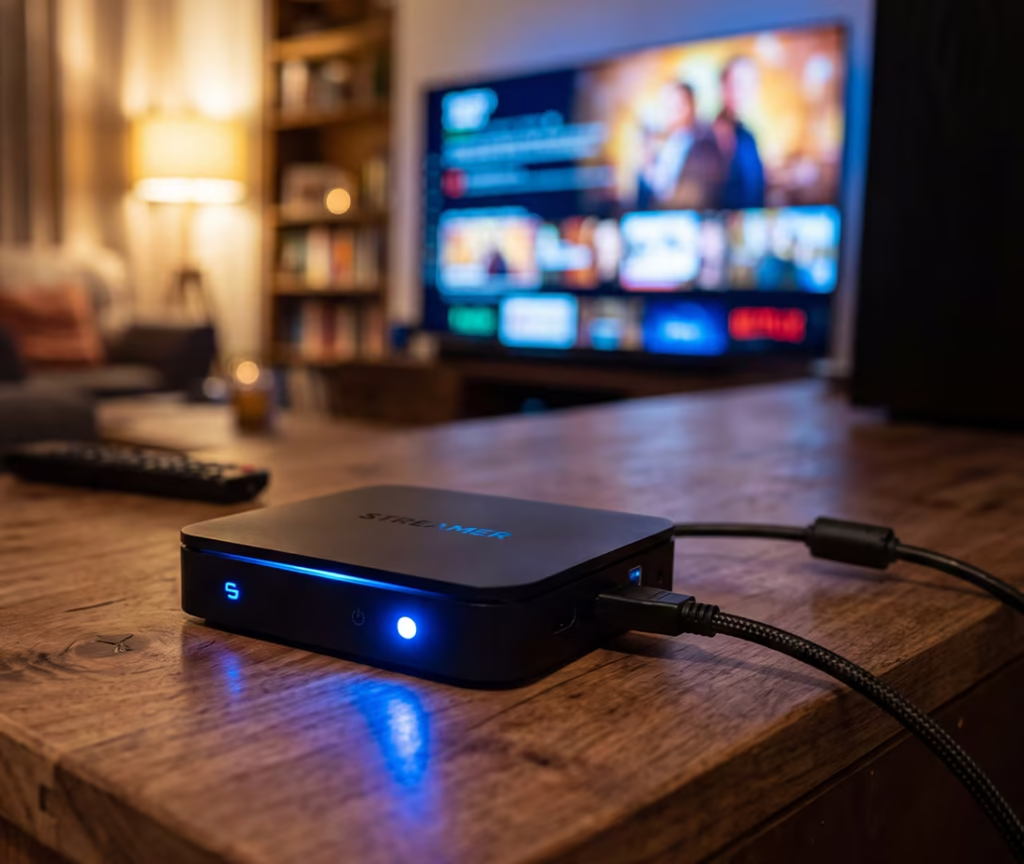
Streaming devices generally operate in a legally acceptable manner when they provide access to properly licensed content. Problems arise when devices are marketed in ways that suggest access to copyrighted material without authorization from content owners.
In many technology-related lawsuits involving streaming hardware, regulators and rights holders focus on several issues:
- Unauthorized distribution of copyrighted content
- Marketing practices that imply unlimited free access
- Pre-installed software that may facilitate infringement
- Consumer protection concerns regarding advertising claims
- Relationships between hardware providers and third-party content sources
The attention surrounding Vseebox largely stems from these broader industry concerns rather than from the simple act of selling a media device.
As streaming technology becomes more sophisticated, copyright owners continue to monitor products that may blur the line between legal content aggregation and unauthorized content access.
What Is the Vseebox Lawsuit About?
When people search for the Vseebox lawsuit, they are often looking for confirmation of a major legal action against the company or related parties.
The discussion typically centers on allegations that certain streaming devices may provide or promote access to copyrighted content without appropriate licensing agreements. In cases involving streaming platforms and hardware providers, plaintiffs often argue that users are being encouraged to access content that should otherwise require subscriptions or pay-per-view purchases.
Potential legal claims in disputes involving streaming technology commonly include:
- Copyright infringement
- Contributory infringement
- Inducement of infringement
- False advertising
- Unfair business practices
- Consumer deception claims
Whether any specific claim succeeds depends on evidence, contractual arrangements, software architecture, and the nature of the content being accessed.
How Streaming Device Lawsuits Typically Work
To understand concerns surrounding Vseebox, it helps to examine how similar lawsuits have unfolded in the streaming industry.
Content owners often pursue legal action against businesses that:
- Host unauthorized content
- Facilitate access to pirated streams
- Profit from infringing activity
- Advertise copyrighted programming as free
Courts usually examine several factors:
Device Functionality
Judges may evaluate whether the hardware itself is neutral technology or whether it was specifically designed to facilitate unauthorized access.
Marketing Materials
Advertising language can play a significant role. Promotional claims promising unrestricted access to premium content sometimes become important evidence.
Software Ecosystem
Pre-installed applications and third-party integrations often receive close scrutiny.
Financial Relationships
Courts may investigate whether companies benefit financially from allegedly infringing activities.
These factors frequently determine whether liability exists.
Vseebox Reviews and Consumer Experiences
Consumer reviews of Vseebox are mixed, reflecting a broad range of user experiences.
Positive reviews often mention:
- Large content libraries
- User-friendly interfaces
- International channel availability
- Reduced monthly entertainment costs
- Simple installation process
Critical reviews sometimes focus on:
- Reliability concerns
- Software updates
- Content availability changes
- Customer support experiences
- Questions regarding long-term legality
One recurring theme in user discussions is uncertainty. Some customers are satisfied with the device’s functionality but remain unsure about the licensing status of certain content sources.
This uncertainty often fuels ongoing debate and contributes to public interest in potential legal developments.
Is Vseebox Safe to Use?
Safety concerns surrounding streaming devices generally fall into two categories.
Technical Safety
Technical safety involves cybersecurity risks such as:
- Malware infections
- Data collection practices
- Unauthorized software installations
- Privacy vulnerabilities
- Network security concerns
Consumers should always install updates from trusted sources and avoid modifying devices using unofficial software.
Legal Safety
Legal safety refers to the possibility of accessing content that lacks proper licensing.
Users often assume that purchasing a device automatically makes all available content legal. However, legality usually depends on the content source rather than the hardware itself.
This distinction is critical because a device can be legal to own while certain content streams available through it may raise legal concerns.
Understanding Vseebox Malware Concerns
Malware allegations occasionally surface whenever streaming devices rely heavily on third-party applications.
Common concerns include:
- Hidden software installations
- Data tracking
- Unauthorized permissions
- Security vulnerabilities
- Suspicious network activity
The presence of malware allegations does not automatically mean malware exists. Many claims originate from forum discussions, anecdotal reports, or isolated incidents that have not been independently verified.
Nevertheless, cybersecurity experts generally recommend:
- Keeping firmware updated
- Using secure home networks
- Avoiding unofficial downloads
- Reviewing permissions carefully
- Monitoring unusual device behavior
Consumers should approach both promotional claims and malware allegations with equal caution until verified evidence becomes available.
How Is Vseebox Legal?
One of the most common questions asked by consumers is how devices like Vseebox can be sold if legal concerns exist.
The answer lies in the distinction between hardware and content.
Streaming hardware itself is generally legal. Devices that connect to the internet and display media are not inherently unlawful.
Legal concerns arise when:
- Copyrighted content is distributed without authorization
- Users gain access to premium programming without proper licenses
- Marketing materials encourage infringement
- Software ecosystems facilitate unauthorized streaming
A streaming device may therefore be sold legally while certain uses of that device become controversial.
This legal distinction has appeared repeatedly in technology and copyright disputes over the past decade.
The Role of Copyright Enforcement in Streaming Technology
The streaming industry has become a major battleground for copyright enforcement.
Rights holders invest significant resources in producing content and seek to protect those investments through:
- Licensing agreements
- Distribution contracts
- Anti-piracy litigation
- Enforcement partnerships
- Technology monitoring systems
As a result, companies operating in the streaming ecosystem often face scrutiny when their products appear to compete with traditional subscription models.
Legal disputes involving streaming devices are frequently part of broader enforcement campaigns rather than isolated events.
What Online Communities Are Saying
Discussions across online forums frequently include questions about:
- Device reliability
- Legal risks
- Content stability
- Software updates
- Future enforcement actions
Some users report positive long-term experiences, while others express concerns regarding future legal developments.
Forum discussions can provide insight into consumer sentiment but should not be treated as definitive evidence. Anonymous online posts often contain speculation, rumors, or unverified claims.
Consumers should rely on verified court records, official company statements, and reputable reporting when evaluating legal developments.
Where Can Consumers Buy Vseebox?
Vseebox devices are commonly sold through:
- Online marketplaces
- Independent electronics retailers
- Specialized streaming technology stores
- Company-affiliated sales channels
Before purchasing, consumers should consider:
- Warranty coverage
- Return policies
- Customer support options
- Software update commitments
- Product authenticity
Verifying the legitimacy of the seller is an important step in avoiding counterfeit products or unsupported hardware.
Is Vseebox Worth It?
Whether Vseebox is worth purchasing depends largely on individual expectations and risk tolerance.
Potential advantages include:
- Consolidated entertainment access
- One-time hardware purchase
- User-friendly design
- Broad content availability
Potential drawbacks include:
- Legal uncertainty regarding some content sources
- Software ecosystem concerns
- Dependence on third-party services
- Possible future content disruptions
Consumers seeking predictable, licensed entertainment experiences may prefer traditional subscription platforms. Others may prioritize flexibility and content variety.
The value proposition ultimately depends on how the device is used and the sources from which content is accessed.
Current Status of the Vseebox Lawsuit
Interest in a Vseebox lawsuit continues to grow because consumers want clarity regarding the device’s legal standing and future availability.
Legal situations involving streaming technology can change rapidly as copyright holders, regulators, and technology companies respond to market developments.
Anyone researching the topic should monitor:
- Court filings
- Official company announcements
- Regulatory actions
- Consumer protection investigations
- Copyright enforcement developments
The most reliable information typically comes from verified legal documents and official statements rather than social media speculation.
What Consumers Should Watch Going Forward
Several developments could shape future discussions involving Vseebox:
- New copyright enforcement efforts
- Changes in content licensing practices
- Software platform updates
- Consumer complaints investigations
- Regulatory reviews of streaming technology
As the streaming market continues evolving, legal scrutiny of devices offering extensive content access is likely to remain an important issue.
Read: Michael Oher Lawsuit
Read: McDonald’s 100% Beef Lawsuit
Read: Trellis Law
Read: MyChart Lawsuit Settlement
Read: Chime Lawsuit
Frequently Asked Questions
Is there an active Vseebox lawsuit?
Public interest in a Vseebox lawsuit remains high because of concerns surrounding streaming content and copyright compliance. Consumers should verify any reported legal actions through official court records and credible reporting sources.
Can owning a Vseebox device be illegal?
Owning a streaming device is generally not illegal. Legal questions usually focus on how content is delivered, licensed, or accessed through the device rather than the hardware itself.
Does Vseebox contain malware?
There is no universal consensus regarding malware allegations. Users should rely on trusted security practices, keep devices updated, and avoid installing software from unverified sources.
Why do streaming devices face lawsuits?
Streaming devices may face legal challenges when copyright owners believe their products facilitate unauthorized access to protected content. Marketing claims and software functionality often become key issues in such cases.
Should consumers be concerned about future legal action?
Consumers should stay informed about developments affecting any technology they use. Monitoring official updates and understanding how content licensing works can help users make informed decisions.
Conclusion
The Vseebox lawsuit has attracted attention because it sits at the intersection of streaming technology, copyright enforcement, and consumer protection. While many users are interested in the device for its extensive content offerings and convenience, questions remain about content licensing, legal compliance, and long-term reliability. Discussions surrounding safety, malware concerns, and potential legal challenges have only increased public interest in the topic.
For consumers, the most important takeaway is to distinguish between the legality of owning a streaming device and the legality of the content accessed through it. Staying informed through official sources, understanding how streaming services are licensed, and carefully evaluating product claims can help users make better decisions. As legal and regulatory developments continue to evolve, the Vseebox lawsuit will likely remain a closely watched issue within the streaming and digital entertainment industry.