

For years, McDonald’s has promoted many of its hamburger patties as being made from “100% beef.” While the phrase appears straightforward, it has also sparked consumer skepticism, media investigations, online debates, and legal scrutiny. Questions about ingredients, food processing methods, additives, and marketing language have led some consumers to wonder whether the advertising accurately reflects what ends up in their meals.
The McDonald’s 100% Beef Lawsuit has become a popular search topic because many people are trying to determine whether the company faced legal consequences for its marketing claims, whether any settlements occurred, and whether customers may be entitled to compensation. At the same time, discussions across social media platforms have created confusion between actual lawsuits, food industry controversies, and general criticism of fast-food advertising.
Understanding what happened requires separating documented legal actions from internet rumors and examining how food labeling disputes typically develop in the United States.
Why the “100% Beef” Claim Became Controversial
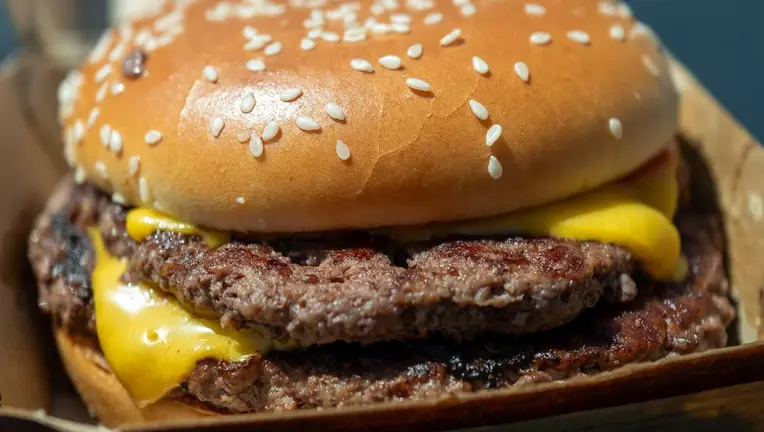
The controversy largely centers on consumer interpretation.
Many customers assume that “100% beef” means the burger patty contains nothing except beef. Others focus on whether processing methods, seasonings, preservatives, or cooking procedures affect the accuracy of that statement.
Food manufacturers frequently use marketing language that highlights a primary ingredient while excluding discussion of other aspects of production. When consumers believe a statement creates a misleading impression, lawsuits often follow.
In McDonald’s case, critics questioned whether the company’s advertising gave consumers a complete understanding of how its beef products were sourced, processed, prepared, and served.
The debate intensified as documentaries, news reports, food blogs, and social media discussions examined the ingredients used by major fast-food chains.
What McDonald’s Says About Its Beef Patties
McDonald’s has consistently maintained that many of its core hamburger patties are made from 100% USDA-inspected beef and contain no fillers, additives, or extenders.
The company has repeatedly explained that its standard beef patties are seasoned with salt and pepper during cooking rather than being pre-mixed with additional ingredients.
Supporters of the company’s position argue that the advertising claim refers specifically to the composition of the beef patty itself rather than every component of the finished hamburger.
This distinction is important because lawsuits involving food labeling often turn on how courts interpret advertising language and how reasonable consumers understand marketing statements.
How Food Labeling Lawsuits Typically Work
Consumer protection lawsuits frequently arise when buyers believe marketing statements are misleading.
These cases commonly involve claims such as:
- All natural
- Healthy
- Organic
- Pure
- Fresh
- No preservatives
- 100% ingredients claims
Plaintiffs generally argue that a reasonable consumer would interpret advertising in a specific way and that the product does not meet that expectation.
Companies, meanwhile, often defend themselves by arguing that their statements are factually accurate when viewed in context.
Courts evaluate evidence including ingredient lists, packaging, advertisements, scientific data, regulatory guidance, and consumer surveys.
The outcome often depends less on whether a statement is literally true and more on whether consumers were likely misled.
Was There an Actual McDonald’s 100% Beef Lawsuit?
The phrase “McDonald’s 100% Beef Lawsuit” is commonly used online, but many searches combine multiple events, allegations, and food-related controversies into a single narrative.
Over the years, McDonald’s has faced various lawsuits and public criticisms related to advertising, food ingredients, nutrition disclosures, and consumer marketing practices.
However, not every online claim about a major “100% beef settlement” corresponds to a widely recognized court judgment or nationwide class action payout.
Some online discussions refer to broader food-labeling concerns rather than a specific lawsuit that resulted in substantial compensation for customers.
This distinction is one reason the topic continues generating confusion and search interest.
The Role of Consumer Protection Laws
States such as California have some of the strongest consumer protection laws in the country.
When consumers believe a company’s advertising is deceptive, claims may be brought under statutes involving:
- False advertising
- Unfair competition
- Consumer fraud
- Misrepresentation
- Deceptive business practices
These laws allow consumers to challenge marketing statements that allegedly create a misleading impression.
Fast-food companies frequently become targets because their advertising reaches millions of customers every day.
As a result, even relatively small disputes over wording can develop into significant legal battles.
Why California Often Appears in Searches
Many searches include references to “McDonald’s 100% beef lawsuit California.”
California is frequently associated with food-labeling litigation because:
- The state has a large consumer market.
- Consumer protection statutes are widely used.
- Class action litigation is common.
- Food and beverage lawsuits are frequently filed there.
When a lawsuit is filed in California, it often attracts national attention because a successful claim can affect marketing practices across the country.
That does not necessarily mean every lawsuit leads to a settlement or verdict against the company.
The Impact of Social Media and Reddit Discussions
Online discussions have played a major role in keeping the controversy alive.
Reddit users frequently debate questions such as:
- Are McDonald’s burgers really 100% beef?
- What ingredients are actually used?
- Has McDonald’s ever been sued over the claim?
- Did consumers receive compensation?
- Are the advertisements misleading?
These discussions often mix factual information with personal opinions and unverified claims.
As a result, many people searching for lawsuit information encounter conflicting explanations that make it difficult to determine what actually occurred.
Consumer perception can spread much faster online than courtroom outcomes.
Understanding the Difference Between Ingredient Claims and Processing Claims
A key issue in food litigation involves the distinction between ingredients and processing.
A company may argue that a product contains only beef while consumers focus on:
- Manufacturing methods
- Food preparation procedures
- Supply chain practices
- Preservation techniques
- Cooking processes
Courts often evaluate whether advertising addresses the product’s composition, its production methods, or both.
This distinction has influenced numerous food-industry lawsuits beyond McDonald’s.
Consumers increasingly expect transparency not only about ingredients but also about how food reaches their plates.
Has There Been a McDonald’s 100% Beef Lawsuit Payout?
One of the most searched questions concerns potential compensation.
Despite widespread online discussion, many consumers struggle to identify evidence of a major nationwide payout specifically tied to the “100% beef” claim.
Search interest often spikes whenever rumors circulate about class action settlements involving major corporations.
However, settlement eligibility, compensation amounts, and payment schedules typically become public only after court approval and official notice procedures.
Consumers should be cautious about social media posts claiming automatic payouts without verification from official court records or settlement administrators.
The Broader McDonald’s Beef Controversy
The debate extends beyond legal filings.
Critics have questioned:
- Supply chain transparency
- Animal sourcing practices
- Food processing methods
- Advertising language
- Nutritional messaging
Supporters respond that McDonald’s publishes ingredient information and has repeatedly defended the accuracy of its marketing claims.
The controversy demonstrates how consumer expectations continue evolving in an era where shoppers demand greater transparency regarding food production.
Even when a company believes its statements are accurate, consumers may still challenge how those statements are interpreted.
How Food Companies Respond to Advertising Challenges
Large food companies typically respond in several ways when advertising claims are challenged:
- Updating marketing language
- Increasing ingredient disclosures
- Publishing FAQs
- Providing sourcing information
- Revising packaging
- Enhancing transparency initiatives
These measures can reduce confusion and strengthen consumer trust.
In many cases, companies choose clarification rather than admitting wrongdoing.
Such responses are common across the food industry and do not necessarily indicate liability.
What Consumers Should Learn From the Controversy
The McDonald’s 100% beef debate highlights a broader lesson for consumers.
Marketing phrases often have legal and regulatory meanings that differ from public assumptions.
Before drawing conclusions, consumers should review:
- Ingredient disclosures
- Company statements
- Court filings
- Regulatory findings
- Official settlement notices
Doing so helps distinguish verified facts from internet speculation.
As food-labeling litigation continues evolving, transparency remains one of the most important issues for both consumers and businesses.
Read: R Biglaw Explained
Read: Mary Ruth Organics Lawsuit
Read: Fischer Homes Lawsuit
Read: Exploring CNLawBlog
Read: What Does Sustained Mean in Court
Frequently Asked Questions
Did McDonald’s admit its burgers were not 100% beef?
McDonald’s has consistently maintained that many of its standard hamburger patties are made from 100% beef. The company has repeatedly defended the accuracy of that claim in public statements.
Was there a nationwide McDonald’s 100% beef class action settlement?
Many online discussions reference settlements, but consumers should verify any claims through official court records and settlement notices rather than relying solely on social media posts.
Why do people question the 100% beef claim?
Some consumers focus on food processing, preparation methods, and overall production practices rather than only the ingredients listed in the patty itself. This difference in interpretation fuels debate.
Why is California often linked to food-labeling lawsuits?
California has strong consumer protection laws and is a common venue for false advertising and food-labeling litigation. Many national consumer lawsuits begin there.
Can consumers still file claims related to food advertising disputes?
That depends on the specific facts, applicable laws, filing deadlines, and the status of any ongoing litigation. Consumers generally need to review official legal information for current claim opportunities.
Conclusion
The McDonald’s 100% Beef Lawsuit remains a topic of public interest because it sits at the intersection of food labeling, consumer expectations, and advertising law. While online discussions often suggest a simple controversy, the reality is more complex. The debate revolves around how consumers interpret marketing claims, how companies define those claims, and how courts evaluate alleged deception. As transparency becomes increasingly important in the food industry, disputes over labeling language are likely to remain a significant area of consumer protection litigation for years to come.