

The MyChart lawsuit settlement has attracted significant attention from patients who use online healthcare portals to access medical records, schedule appointments, communicate with providers, and manage personal health information. The legal scrutiny largely centers on allegations that certain healthcare organizations using MyChart may have allowed patient data to be shared with third-party tracking technologies without sufficient disclosure or consent.
As digital healthcare platforms became more common, concerns about online privacy grew as well. Lawsuits involving healthcare portals have raised questions about how patient information is collected, transmitted, and protected. Because millions of patients use MyChart through hospitals and healthcare systems across the United States, any settlement discussions naturally generate interest regarding eligibility, claim procedures, payout amounts, and payment timelines.
Understanding what these lawsuits involve can help users separate confirmed facts from speculation and stay informed about any potential settlement opportunities.
Why the MyChart Lawsuit Settlement Became a Major Legal Issue
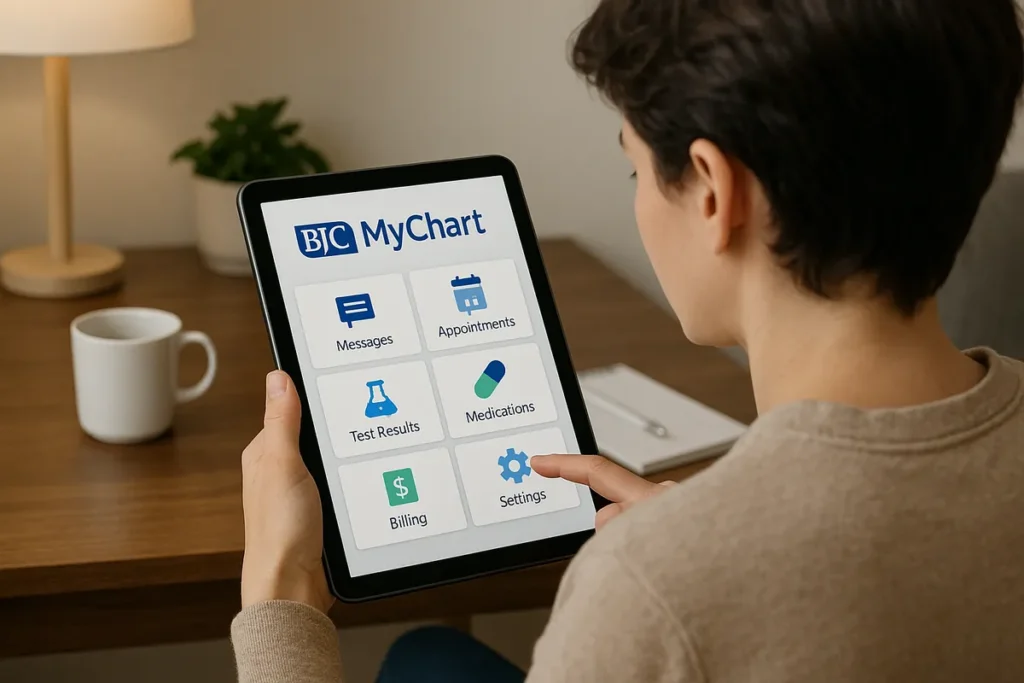
Healthcare providers increasingly rely on digital tools to improve communication and patient access. MyChart, developed by Epic Systems, became one of the most widely used patient portal platforms in the country.
Several lawsuits emerged after allegations that healthcare websites and patient portals may have transmitted user information through tracking technologies such as analytics tools and advertising pixels. Plaintiffs argued that certain data exchanges may have violated privacy laws or patient expectations regarding confidential medical information.
The lawsuits generally focused on questions such as:
- Whether patient interactions were tracked by third parties.
- Whether healthcare organizations properly disclosed data collection practices.
- Whether users provided informed consent.
- Whether privacy regulations were followed.
The litigation did not necessarily allege that every MyChart user was affected in the same way. Instead, individual cases often focused on specific healthcare systems and their implementation of tracking technologies.
Understanding the Connection Between MyChart and Epic Systems
Many people search for information regarding a MyChart Epic lawsuit settlement because Epic Systems created and maintains the software platform used by healthcare organizations.
Epic Systems developed MyChart, but healthcare providers typically control how their websites, patient portals, and digital tracking tools are configured.
As a result, many lawsuits have focused on healthcare institutions rather than the software itself. The legal questions often involve how patient information was handled, what disclosures were provided, and whether applicable privacy laws were followed.
This distinction is important because settlement eligibility may depend on the specific healthcare provider involved rather than simply being a MyChart user.
How the Privacy Allegations Developed
The privacy-related claims generally arose during a broader wave of healthcare tracking litigation.
Investigations and lawsuits alleged that website analytics tools, cookies, pixels, and similar technologies could potentially capture information such as:
- Appointment requests
- Provider searches
- Portal interactions
- Form submissions
- Healthcare-related browsing activity
Plaintiffs argued that such information could be considered sensitive health data when linked to identifiable individuals.
Healthcare organizations named in these lawsuits often disputed wrongdoing, arguing that they complied with applicable regulations, maintained security measures, and used technologies designed to improve user experiences.
As is common in class action litigation, settlements may occur without any admission of liability.
What a Settlement Typically Means for Patients
A settlement does not automatically mean a court determined that laws were violated.
Instead, settlements are frequently reached because they:
- Avoid lengthy litigation.
- Reduce legal expenses.
- Resolve disputed claims.
- Provide compensation to eligible individuals.
- Establish future compliance measures.
When a settlement is approved, eligible class members may receive notice explaining their rights, potential compensation, and any deadlines for filing claims.
The exact terms vary from case to case.
MyChart Class Action Lawsuit Claim Form Process
One of the most common questions involves how a MyChart class action lawsuit claim form works.
In class action settlements, eligible individuals are often notified through email, mail, website announcements, or legal settlement administrators.
A claim form may request information such as:
- Name and contact information
- Confirmation of class membership
- Dates of portal usage
- Supporting documentation if required
Many settlements use simplified online claim systems that allow users to submit claims electronically.
However, not every settlement requires a claim form. Some settlements distribute payments automatically when class members can be identified through existing records.
Patients should always review the specific instructions associated with any settlement notice they receive.
Who May Qualify Under MyChart Lawsuit Eligibility Rules
Eligibility requirements vary depending on the lawsuit and settlement involved.
Potential factors may include:
- Use of a specific healthcare provider’s MyChart portal.
- Use during a defined date range.
- Residency requirements.
- Receipt of a settlement notice.
- Inclusion within a certified settlement class.
Some settlements may cover only patients of particular hospitals or healthcare networks rather than all MyChart users nationwide.
This is why eligibility cannot be determined solely by having a MyChart account.
Individuals should carefully review official settlement documents to determine whether they fall within the defined class.
What Is Known About Settlement Amounts
Search interest regarding MyChart class action lawsuit settlement amounts continues to grow as cases progress.
In privacy class actions, compensation can vary substantially based on factors such as:
- Total settlement fund size.
- Number of approved claims.
- Administrative expenses.
- Attorneys’ fees.
- Court-approved distribution methods.
Some settlements provide fixed payments to claimants. Others distribute funds proportionally after all claims are reviewed.
Because each case has different facts and settlement structures, there is no universal payout amount that applies to every MyChart-related lawsuit.
Reports circulating online often reflect estimates rather than confirmed payment figures.
MyChart Settlement Payout Date Questions
Many users want to know the MyChart settlement payout date immediately after hearing about a lawsuit.
Unfortunately, payment timelines are often longer than people expect.
A typical class action settlement process may include:
- Preliminary court approval.
- Notice distribution.
- Claim submission period.
- Objection and exclusion deadlines.
- Final approval hearing.
- Appeals period.
- Distribution of funds.
Even after final approval, payments may take several months before being issued.
For that reason, settlement administrators generally avoid publishing precise payout dates until all legal requirements have been completed.
Recent MyChart Lawsuit Update
Interest in a MyChart lawsuit update remains high because multiple healthcare privacy cases continue to evolve across different jurisdictions.
Court proceedings may involve:
- Motions to dismiss.
- Discovery disputes.
- Settlement negotiations.
- Preliminary approvals.
- Final approval hearings.
- Appeals.
Because separate healthcare systems may face different lawsuits, developments in one case do not necessarily apply to all MyChart-related litigation.
Patients should monitor official court filings and settlement websites for the most accurate updates regarding any specific case affecting them.
How MyChart Lawsuit Settlement Discussions Evolved During 2025
Throughout 2025, healthcare privacy litigation remained a significant area of legal activity.
Courts continued evaluating claims involving online patient portals, tracking technologies, and healthcare website privacy practices. Several healthcare organizations across the industry faced legal scrutiny regarding data collection methods and transparency disclosures.
The broader legal environment demonstrated an increasing focus on digital health privacy and patient data protection. As a result, healthcare providers have continued reviewing website configurations, privacy policies, and technology integrations to reduce future legal risks.
What People Are Watching in MyChart Lawsuit 2026 Developments
Looking toward 2026, observers are closely monitoring several issues:
- Additional settlement announcements.
- Court approval decisions.
- Appeals outcomes.
- Future privacy compliance measures.
- Regulatory guidance regarding healthcare tracking technologies.
The ongoing evolution of digital healthcare services means privacy-related litigation is likely to remain an important topic for patients, providers, and regulators alike.
Future developments may shape how healthcare organizations manage online patient interactions and disclose data practices.
The Broader Impact on Healthcare Privacy
The significance of these lawsuits extends beyond potential compensation.
They have encouraged healthcare organizations to examine:
- Consent procedures.
- Privacy notices.
- Website tracking practices.
- Data-sharing agreements.
- Security controls.
For patients, the litigation has increased awareness regarding how personal information moves through digital healthcare systems.
Regardless of individual case outcomes, these lawsuits have contributed to a broader conversation about balancing healthcare innovation with privacy protection.
What Patients Should Do if They Receive a Settlement Notice
If you receive a settlement notice connected to a healthcare privacy lawsuit, consider taking the following steps:
- Read the notice carefully.
- Verify the settlement administrator.
- Review eligibility requirements.
- Note claim deadlines.
- Preserve relevant records.
- Check official court documents when available.
Acting before deadlines expire is important because late submissions are often rejected.
Read: R Biglaw Explained
Read: Mary Ruth Organics Lawsuit
Read: Fischer Homes Lawsuit
Read: Exploring CNLawBlog
Read: What Does Sustained Mean in Court
Frequently Asked Questions
What is the MyChart lawsuit settlement about?
The lawsuits generally involve allegations that certain healthcare organizations improperly shared or transmitted patient-related information through tracking technologies. The specific claims vary depending on the healthcare provider involved.
Is there a confirmed MyChart settlement payout date?
Payment dates depend on the individual case, court approvals, and any appeals. Most settlements do not issue funds immediately after announcements are made.
How do I know if I am eligible for a MyChart settlement?
Eligibility usually depends on factors such as the healthcare provider involved, the dates of portal use, and the settlement class definition. Receiving a notice is often a strong indication that you may qualify.
Do all MyChart users qualify for compensation?
No. Most settlements apply only to specific groups of patients associated with particular healthcare systems or legal cases. Simply using MyChart does not automatically create eligibility.
Will future MyChart privacy lawsuits occur?
Healthcare privacy litigation remains an active area of law. Future lawsuits may arise depending on evolving technologies, regulations, and alleged data-handling practices.
Conclusion
The MyChart lawsuit settlement discussion reflects growing concerns about digital healthcare privacy and the handling of patient information online. While various lawsuits have focused on different healthcare organizations and circumstances, the central issue remains whether sensitive user data was properly protected and disclosed.
For patients, the most important considerations are understanding eligibility requirements, monitoring official settlement updates, reviewing claim deadlines, and relying on verified court information rather than online speculation. As healthcare technology continues to evolve, these cases will likely remain influential in shaping future privacy standards, compliance practices, and patient expectations across the healthcare industry.