

Native Hair Loss Lawsuit
Hair care products are expected to strengthen and protect hair, not become the subject of consumer complaints about unexpected shedding. That expectation is one reason the Native Hair Loss Lawsuit has attracted growing attention online. Across forums, social media platforms, and consumer review websites, some users have claimed they experienced excessive hair shedding after using certain Native shampoo and conditioner products. Those reports have led many people to wonder whether a lawsuit exists, whether scientific evidence supports the allegations, and whether compensation could eventually become available.
At the same time, it is important to separate individual experiences from verified legal developments. Hair loss can occur for many reasons, including genetics, hormonal changes, nutritional deficiencies, stress, medications, scalp conditions, and reactions to cosmetic products. Because so many factors may contribute, determining whether a specific shampoo caused hair loss can be difficult without medical and scientific evidence.
This article explains what is currently known about the Native Hair Loss Lawsuit, reviews the allegations circulating online, examines the available legal information, discusses consumer concerns, and answers the most common questions about lawsuit updates, settlement rumors, and product safety.
Why the Native Hair Loss Lawsuit Became a Trending Topic
Interest in the Native Hair Loss Lawsuit increased as more consumers began posting personal experiences on review platforms, Reddit discussions, TikTok videos, YouTube reviews, and other social media communities. While many customers reported positive experiences with Native products, others described problems they believed started after switching to the brand.
Some of the most commonly reported concerns include:
- Increased daily hair shedding
- Hair becoming thinner over several weeks
- Dry or irritated scalp
- Excessive scalp itching
- Brittle or damaged hair strands
- Hair breakage during washing
- Changes in hair texture
Because Native markets many of its shampoos using terms such as naturally derived ingredients and sulfate-free formulas, some consumers were surprised to experience these issues. As discussions spread online, searches related to Native shampoo hair loss and Native Hair Loss Lawsuit increased significantly.
It is worth noting that online complaints alone do not establish that a product is defective or legally responsible for hair loss. Individual reports can help identify patterns that deserve investigation, but legal claims generally require evidence showing a product directly caused the alleged injury.
What Is the Native Hair Loss Lawsuit About?
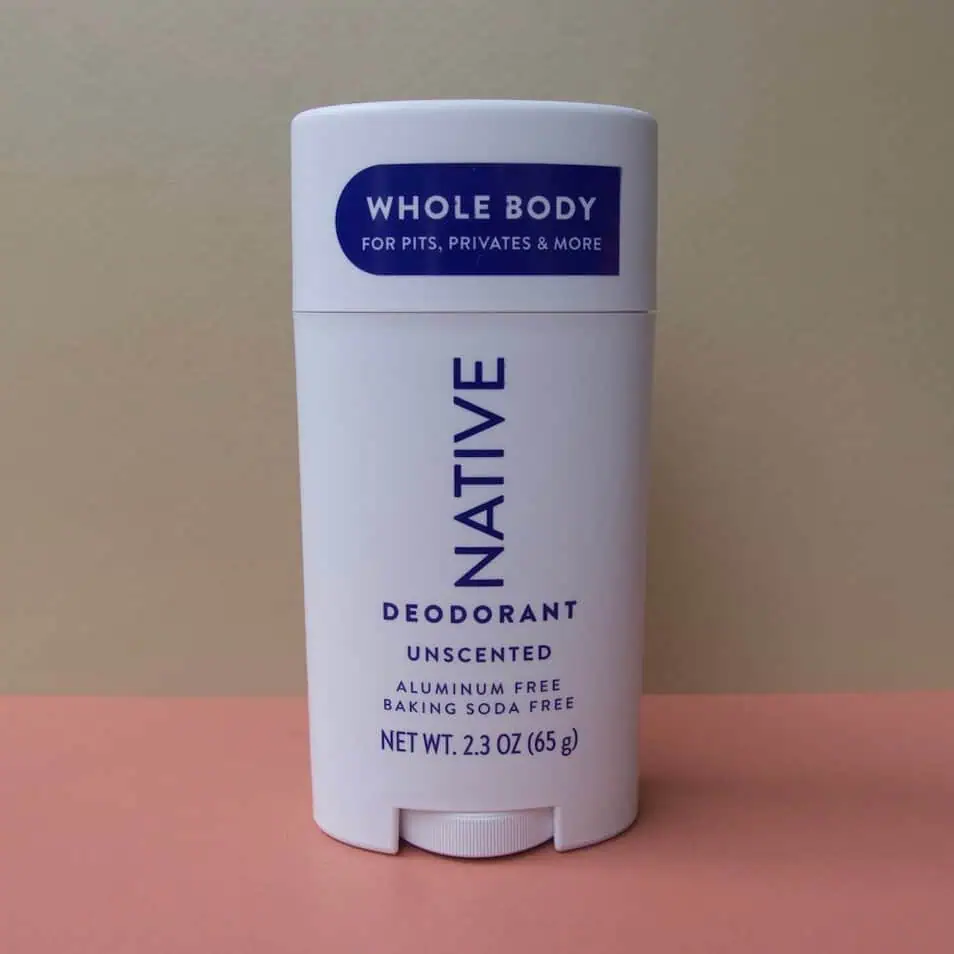
The phrase “Native Hair Loss Lawsuit” generally refers to allegations that certain Native hair care products may have contributed to excessive hair shedding or scalp-related problems for some users.
Consumers discussing potential legal action have raised several concerns, including:
Hair Shedding
Some individuals claim they noticed significantly more hair falling out while showering or brushing after beginning to use Native shampoo.
Scalp Irritation
Others report redness, itching, burning sensations, or scalp sensitivity after repeated use.
Hair Breakage
Some complaints involve hair becoming dry and fragile rather than actual hair loss from the scalp. Breakage can sometimes appear similar to shedding.
Product Marketing
A portion of online discussions questions whether marketing language emphasizing naturally derived ingredients may have created expectations that the products would be gentler or less likely to cause irritation.
These concerns have prompted consumers to ask whether product testing, ingredient disclosures, or warnings were sufficient. However, legal allegations remain separate from proven facts, and each claim must be evaluated individually.
Has a Class Action Lawsuit Been Filed?
One of the most common questions is whether a nationwide class action lawsuit against Native has officially been filed.
As of 2026, publicly available information does not show a nationwide class action settlement involving Native shampoo specifically for widespread hair loss claims.
That distinction is important because online rumors often move much faster than verified court filings.
Consumers frequently confuse:
- Individual complaints
- Law firm investigations
- Requests for potential claimants
- Consumer protection inquiries
- Active lawsuits
- Certified class actions
- Settled litigation
These stages are very different legally.
For example, a law firm may invite consumers to report possible injuries while evaluating whether enough evidence exists to pursue litigation. That investigation does not necessarily mean a lawsuit has already been filed.
Likewise, discussions on Reddit or Facebook often describe lawsuits that are actually only proposed investigations or advertisements seeking additional information from affected consumers.
Anyone searching for the Native Hair Loss Lawsuit should therefore verify whether information comes from official court records rather than relying solely on social media posts.
What Consumers Are Reporting After Using Native Shampoo
Consumer experiences vary considerably.
Many reviewers continue to rate Native shampoo highly and say they appreciate its fragrance options, ingredient choices, and sulfate-free formulas.
Others describe experiences that include:
Increased Hair in the Shower
Some customers report noticing larger amounts of hair collecting near the drain after several weeks of use.
Hair Appearing Thinner
Several reviewers state their ponytail became noticeably smaller or their scalp appeared more visible over time.
Dry Scalp
Some users experienced scalp dryness that they believe contributed to breakage or irritation.
Oily Hair
A smaller group reports that the shampoo did not adequately cleanse their scalp, leaving hair feeling greasy shortly after washing.
Positive Experiences
Not all reviews are negative.
Many consumers report:
- Cleaner-feeling hair
- Pleasant fragrance
- Reduced buildup
- Improved scalp comfort
- Long-term satisfaction
- No noticeable shedding
This range of experiences highlights why consumer reviews alone cannot determine whether a product consistently causes hair loss across the broader population.
Can Shampoo Actually Cause Hair Loss?
This question is central to the Native Hair Loss Lawsuit discussion.
The answer is that shampoo can contribute to hair-related problems in certain situations, but not every case of shedding means the product itself is responsible.
Possible mechanisms include:
Allergic Reactions
Some people develop allergic contact dermatitis from fragrance ingredients, preservatives, or botanical extracts. Inflammation may contribute to temporary hair shedding.
Irritant Contact Dermatitis
Even without a true allergy, certain ingredients may irritate sensitive skin, leading to scalp discomfort and temporary hair changes.
Hair Breakage
Hair weakened by dryness or chemical treatments may break more easily after washing, creating the appearance of hair loss.
Temporary Shedding
Stress from scalp irritation may contribute to temporary shedding known as telogen effluvium, although many unrelated medical conditions can produce the same result.
Existing Hair Loss Conditions
Some individuals begin using a new shampoo around the same time that hereditary hair loss, hormonal changes, thyroid disorders, nutritional deficiencies, or other medical conditions naturally become noticeable.
Because so many variables influence hair health, medical evaluation is often necessary before concluding that a cosmetic product caused hair loss.
Ingredients Consumers Frequently Question
Online discussions about Native shampoo often focus on ingredient safety.
Although ingredient lists vary between product lines, consumers frequently ask about several categories of ingredients.
Fragrance Components
Fragrances are among the most common cosmetic allergens. People with fragrance sensitivities may experience scalp irritation depending on the specific formulation.
Botanical Extracts
Natural ingredients can still trigger allergic reactions in susceptible individuals. Plant-derived ingredients are not automatically risk-free.
Cleansing Agents
Native shampoos are generally marketed as sulfate-free, but alternative cleansing ingredients may perform differently depending on hair type and scalp condition.
Preservatives
Cosmetic preservatives help prevent bacterial contamination. Some individuals, however, may be sensitive to certain preservatives used in personal care products.
Essential Oils
Some product varieties include naturally derived oils that may irritate highly sensitive skin despite being well tolerated by most users.
Importantly, the presence of an ingredient does not automatically mean it is unsafe. Cosmetic ingredients are evaluated based on concentration, intended use, scientific evidence, and applicable regulatory standards.
Why Hair Loss Claims Can Be Difficult to Prove in Court
Hair loss litigation is often more complex than other consumer product cases because many medical factors may influence the outcome.
To succeed in product liability litigation, plaintiffs typically need evidence addressing questions such as:
- Was the product defective?
- Did the product contain harmful ingredients?
- Were adequate safety warnings provided?
- Did the product directly cause the injury?
- Can medical experts rule out other likely causes?
- Did laboratory testing identify contamination or formulation issues?
These questions usually require expert testimony, medical records, scientific analysis, dermatology evaluations, and evidence connecting the product to the alleged harm.
Without sufficient supporting evidence, proving causation may become challenging even when consumers genuinely believe a product contributed to their hair loss.
Native Hair Loss Lawsuit Update for 2026
One of the most searched questions is whether there has been a major development in the Native Hair Loss Lawsuit during 2026.
Based on publicly available information, there is no court-approved nationwide settlement specifically compensating consumers for hair loss caused by Native shampoo as of mid-2026. While online discussions continue to grow, many reports confuse consumer complaints, attorney investigations, and potential lawsuits with finalized legal actions.
Current developments can generally be summarized as follows:
- Consumers continue reporting hair shedding after using certain Native hair care products.
- Some law firms have collected information from consumers interested in possible claims.
- Investigations related to Native products have primarily focused on alleged marketing and ingredient disclosures, including concerns about PFAS (“forever chemicals”), rather than a court finding that Native shampoo causes hair loss.
- No official payout program or court-approved claims process has been announced specifically for hair loss allegations.
For consumers, this means it is important to rely on official court records and reputable legal sources instead of viral social media posts claiming a settlement already exists.
What Reddit Discussions Reveal About Native Shampoo
Reddit has become one of the largest places where consumers compare experiences with Native shampoo.
Several recurring themes appear throughout these discussions.
Reports of Increased Hair Shedding
Many users describe noticing significantly more hair during washing after switching to Native products.
Some claim the shedding slowed after discontinuing the shampoo, while others believe their hair density took months to recover.
Scalp Dryness
A common complaint involves:
- itchy scalp
- excessive dryness
- irritation
- flaky skin
Users often wonder whether these symptoms contributed to hair breakage rather than true hair loss.
Mixed Experiences
Not every Reddit discussion is negative.
Many users report:
- healthy hair
- pleasant scents
- no irritation
- long-term satisfaction
This illustrates an important point: consumer experiences vary widely depending on individual scalp conditions, allergies, genetics, styling habits, and other factors.
Reddit discussions can help identify trends, but they should not be treated as scientific proof that a product causes hair loss.
Why Online Reviews Differ So Much
Anyone reading Native product reviews will quickly notice that opinions are sharply divided.
Positive reviewers frequently mention:
- lightweight formulas
- sulfate-free cleansing
- pleasant fragrances
- improved scalp comfort
- affordable pricing
- attractive packaging
Negative reviewers commonly report:
- dryness
- tangling
- scalp irritation
- increased shedding
- brittle hair
- dissatisfaction with long-term performance
There are several reasons these experiences may differ.
Hair Types Are Different
A shampoo that works well for fine, oily hair may perform poorly for thick, curly, color-treated, or chemically processed hair.
Individual Allergies
Some consumers react to fragrance ingredients or botanical extracts that most people tolerate without difficulty.
Hair Care Routine
Hair masks, heat styling, hard water, medications, stress, diet, and hormonal changes may all influence hair health independently of shampoo.
For these reasons, product reviews should be considered alongside medical evidence rather than viewed as conclusive proof of product safety or defect.
Is There a Native Lawsuit Payout Date?
Another common search involves a possible payout date.
Currently, there is no confirmed payout date for a nationwide Native shampoo hair loss settlement.
Settlement payments generally occur only after several legal milestones are completed, including:
- filing of claims
- discovery
- negotiations
- settlement approval
- court review
- claims administration
- payment distribution
Since no court-approved settlement for these specific hair loss allegations has been announced publicly, consumers should be cautious of websites promising payment dates or guaranteed compensation.
How Settlement Rumors Spread Online
Settlement rumors often become popular long before litigation reaches a conclusion.
Several factors contribute to this confusion.
Law Firm Advertisements
Some firms publish webpages inviting consumers to report injuries.
These pages are often mistaken for proof that compensation already exists.
Social Media Videos
Short-form videos frequently use headlines such as:
- “You may qualify.”
- “Everyone can claim money.”
- “Huge payout coming.”
These statements are often speculative rather than based on finalized court decisions.
Clickbait Articles
Some websites publish estimated payout amounts without explaining that they are hypothetical comparisons with previous lawsuits rather than confirmed figures.
Consumers should always verify:
- official court documents
- federal court dockets
- settlement administrators
- company announcements
before assuming a payout exists.
Could More Lawsuits Be Filed in the Future?
Product liability litigation frequently evolves over time.
Additional lawsuits could potentially emerge if:
- new scientific evidence becomes available
- additional consumers report similar injuries
- laboratory testing identifies previously unknown issues
- regulators discover manufacturing concerns
- internal company documents become relevant during litigation
However, predicting future lawsuits is impossible.
Every new case depends on available evidence, applicable state laws, expert testimony, and judicial rulings.
How Cosmetic Product Lawsuits Usually Develop
Consumers often expect lawsuits to move quickly.
In reality, cosmetic product litigation may continue for several years before reaching resolution.
A typical timeline includes:
Consumer Complaints
Users begin reporting similar experiences.
Attorney Investigation
Law firms evaluate whether complaints show consistent patterns.
Scientific Review
Experts examine ingredients, product formulations, toxicology data, and medical evidence.
Filing of Lawsuits
Individual or class action cases may be filed.
Discovery
Both sides exchange documents, laboratory testing, expert reports, and witness testimony.
Settlement Negotiations
Many product liability disputes resolve through negotiated settlements before trial.
Trial
If settlement negotiations fail, the case proceeds to court.
Not every investigation ultimately becomes a successful class action.
Some investigations conclude without litigation, while others result in settlements years after the first consumer complaints.
What Evidence Can Strengthen a Consumer’s Claim?
If someone believes a cosmetic product contributed to hair loss, documentation can become important should litigation occur.
Helpful records may include:
- purchase receipts
- online order confirmations
- subscription history
- photographs showing hair changes
- dermatologist records
- biopsy reports, if performed
- prescription records
- laboratory testing
- timeline of product use
- photographs of product packaging
Keeping detailed records does not prove causation by itself, but it can help establish chronology if a legal claim is later evaluated.
Similar Shampoo Lawsuits That Shaped Consumer Expectations
Interest in the Native Hair Loss Lawsuit has grown partly because consumers have seen other well-known hair care brands face litigation involving allegations of hair loss or harmful ingredients.
While every lawsuit is based on its own facts, these earlier cases have made consumers more aware of potential product safety concerns and more likely to investigate unusual hair shedding after switching shampoos.
Some examples include:
OGX Hair Care Litigation
One of the most widely discussed shampoo lawsuits involved allegations that certain OGX hair care products containing DMDM hydantoin caused hair loss, scalp irritation, and other adverse effects.
Consumers claimed the preservative released formaldehyde over time and contributed to their injuries. The manufacturer disputed many of these allegations, and the litigation highlighted the importance of scientific evidence in cosmetic product cases.
Hair Relaxer Litigation
Numerous lawsuits involving chemical hair relaxers alleged long-term exposure increased the risk of certain health conditions. Those cases relied heavily on epidemiological research, medical studies, and expert testimony.
Dry Shampoo Litigation
Several dry shampoo brands have also faced recalls and litigation after testing identified benzene contamination in certain aerosol products.
These cases demonstrate that cosmetic litigation often develops after laboratory testing, regulatory findings, or widespread consumer complaints.
Although these lawsuits involve different products and ingredients than Native shampoo, they have contributed to increased public awareness about cosmetic product safety.
Does Scientific Evidence Show Native Shampoo Causes Hair Loss?
At the center of every product liability case is one critical question:
Does scientific evidence support the allegations?
As of 2026, publicly available scientific evidence has not established that Native shampoo generally causes hair loss across consumers.
That does not necessarily mean every consumer complaint is incorrect.
Instead, it means researchers have not identified sufficient evidence showing the product itself consistently causes hair loss under normal use.
Scientific investigations typically examine several factors:
Product Formulation
Experts analyze whether ingredients remain stable during manufacturing and storage.
Toxicology
Scientists evaluate whether ingredients could reasonably cause scalp damage or hair follicle injury at the concentrations used.
Dermatology Evidence
Medical specialists assess whether patients experienced allergic reactions, irritant dermatitis, or unrelated hair disorders.
Laboratory Testing
Independent testing may identify contamination, manufacturing defects, or unexpected chemicals if concerns arise.
Without this type of evidence, establishing causation becomes significantly more challenging.
Could Hair Shedding Be Temporary?
Hair shedding does not always indicate permanent hair loss.
Dermatologists often distinguish between temporary shedding and irreversible hair follicle damage.
Temporary shedding may occur because of:
- physical illness
- surgery
- childbirth
- emotional stress
- rapid weight loss
- nutritional deficiencies
- medications
- scalp inflammation
One common condition is telogen effluvium, in which a larger number of hairs enter the resting phase before shedding.
This condition often improves once the underlying trigger is resolved.
Because several unrelated medical conditions can produce similar symptoms, healthcare providers generally evaluate multiple possible causes before attributing hair loss to a cosmetic product.
What Should Consumers Do If They Experience Hair Loss?
Anyone who notices unusual hair shedding should first focus on identifying the underlying cause rather than assuming one product is responsible.
Practical steps include:
Stop Using the Suspected Product
If symptoms appear soon after beginning a new shampoo, discontinuing use may help determine whether irritation improves.
Document Changes
Keeping photographs taken several weeks apart can help monitor whether hair density changes over time.
Save the Product
Retaining the bottle, batch number, and purchase receipt may be useful if questions later arise regarding manufacturing or product identification.
Consult a Healthcare Professional
A dermatologist can evaluate possible causes, including:
- androgenetic alopecia
- alopecia areata
- fungal infections
- thyroid disorders
- nutritional deficiencies
- scalp dermatitis
- medication side effects
Medical evaluation is often the most reliable way to determine the likely reason for hair loss.
Consumer Rights When Cosmetic Products Are Alleged to Cause Harm
Consumers are generally protected by product liability and consumer protection laws when products are alleged to be defective or inadequately labeled.
Depending on the circumstances, legal claims may involve allegations such as:
Design Defect
The product’s formulation itself is claimed to be unreasonably dangerous.
Manufacturing Defect
A particular batch may allegedly contain contamination or production errors.
Failure to Warn
Consumers may argue they were not adequately informed about foreseeable risks.
Misrepresentation
Marketing claims may become an issue if consumers believe promotional statements were false or misleading.
Whether any of these theories apply depends on the facts of a specific case and the evidence available.
How to Avoid Misleading Settlement Websites
Whenever a lawsuit becomes popular, unofficial websites often appear claiming consumers are entitled to immediate compensation.
Some of these sites provide accurate legal news, while others publish speculative or misleading information designed to attract clicks or collect personal details.
Consumers should be cautious if a website:
- promises guaranteed payouts
- claims everyone automatically qualifies
- asks for payment to join a lawsuit
- requests sensitive financial information before confirming a case exists
- provides no references to actual court filings
Instead, verify information through:
- official court records
- reputable news organizations
- licensed attorneys
- recognized settlement administrators, if one is appointed
Legitimate class action settlements never require consumers to pay a fee simply to participate.
What the Future May Hold for the Native Hair Loss Lawsuit
It is impossible to predict how any potential litigation involving Native shampoo may develop.
Several outcomes remain possible.
Additional Consumer Reports
If more consumers continue reporting similar experiences, attorneys may evaluate whether further investigation is warranted.
Scientific Research
Future laboratory testing or clinical research could either strengthen or weaken claims involving particular ingredients or formulations.
Regulatory Action
Government agencies may investigate products if sufficient evidence suggests safety concerns, although regulatory review does not automatically establish legal liability.
Litigation
Individual lawsuits or broader class action litigation could develop if evidence supports legal claims.
At present, however, the legal landscape remains far less developed than many online rumors suggest.
Consumers should therefore distinguish between ongoing public discussion and verified legal findings.
Read: HexClad Lawsuit
Read: Gabapentin Lawsuit
Read: The Wellness Company Lawsuit
Read: BSA Lawsuit Update Today Live
Read: The Vet Life Lawsuit Outcome
Frequently Asked Questions
Is there an official Native Hair Loss Lawsuit settlement?
As of 2026, there is no publicly confirmed nationwide settlement specifically resolving claims that Native shampoo causes hair loss. Online rumors should not be confused with verified court-approved settlements.
Can Native shampoo really cause hair loss?
Some consumers report experiencing hair shedding after using Native shampoo, but publicly available scientific evidence has not established that the products generally cause hair loss. Individual reactions can vary based on many medical and environmental factors.
Has Native shampoo been recalled because of hair loss complaints?
There has not been a broad recall of Native shampoo specifically due to hair loss allegations. Consumers should monitor official announcements from regulatory agencies and the manufacturer for any future updates.
Should I stop using Native shampoo if I notice increased shedding?
If you believe a hair care product may be contributing to scalp irritation or unusual hair shedding, consider discontinuing use and consulting a dermatologist. A medical evaluation can help determine whether another underlying condition is responsible.
Where can I find reliable updates about the Native Hair Loss Lawsuit?
The most reliable sources include official court records, reputable news organizations, and announcements from recognized legal authorities. Social media posts and unofficial websites may not accurately reflect the current status of any litigation.
Conclusion
The Native Hair Loss Lawsuit has become a widely searched topic because of growing consumer concern over reports of hair shedding, scalp irritation, and other hair-related issues following the use of certain Native hair care products. While many customers have shared negative experiences online, others continue to report positive results, making it difficult to draw broad conclusions based solely on reviews.
As of 2026, there is no publicly confirmed nationwide class action settlement or court finding establishing that Native shampoo causes hair loss. Legal investigations and consumer complaints should not be confused with proven liability or finalized litigation. Hair loss can result from numerous factors, including genetics, hormonal changes, stress, medical conditions, and individual sensitivities to cosmetic ingredients.
For consumers, the most practical approach is to stay informed through reliable sources, seek medical advice if unusual hair loss occurs, and carefully evaluate online claims about lawsuits or settlement payouts before assuming they are accurate.