

The YES Communities lawsuit has attracted significant attention as current and former residents raise concerns about manufactured housing communities operated by the company. Online discussions often focus on rent increases, maintenance issues, community management practices, and legal disputes that have emerged in different states over the years. While not every complaint has resulted in a lawsuit, several legal actions and regulatory matters have fueled public interest in how the company manages its communities.
Manufactured housing remains one of the most affordable housing options in the United States. As demand for affordable homes has grown, companies that own large numbers of manufactured home communities have faced increased scrutiny from residents, housing advocates, and government agencies. YES Communities, one of the nation’s largest operators of manufactured housing communities, has become part of that broader conversation.
If you’ve searched for terms like YES Communities lawsuit update, YES Communities complaints, YES Communities reviews, or YES Communities settlement amounts, this guide explains what is publicly known, separates verified legal developments from online speculation, and provides the broader context behind the company’s legal history.
What Is YES Communities?
YES Communities is a privately owned company that owns and manages hundreds of manufactured home communities throughout the United States. Its portfolio spans numerous states and includes communities that serve families, retirees, and individuals seeking lower-cost housing alternatives.
Unlike traditional apartment complexes, many residents own their manufactured homes while leasing the land beneath them. This arrangement creates a unique landlord-tenant relationship in which community operators are responsible for maintaining common areas, enforcing community rules, collecting lot rent, and managing infrastructure such as roads, utilities, and recreational facilities.
Because residents often invest heavily in their homes while leasing only the land, disputes involving rent increases, maintenance responsibilities, or community rules can become especially significant.
Over the years, YES Communities has expanded rapidly through acquisitions, making it one of the largest owners of manufactured housing communities in the country. Rapid growth, however, has also brought increased public scrutiny regarding management practices and resident relations.
Why Has the YES Communities Lawsuit Drawn Attention?
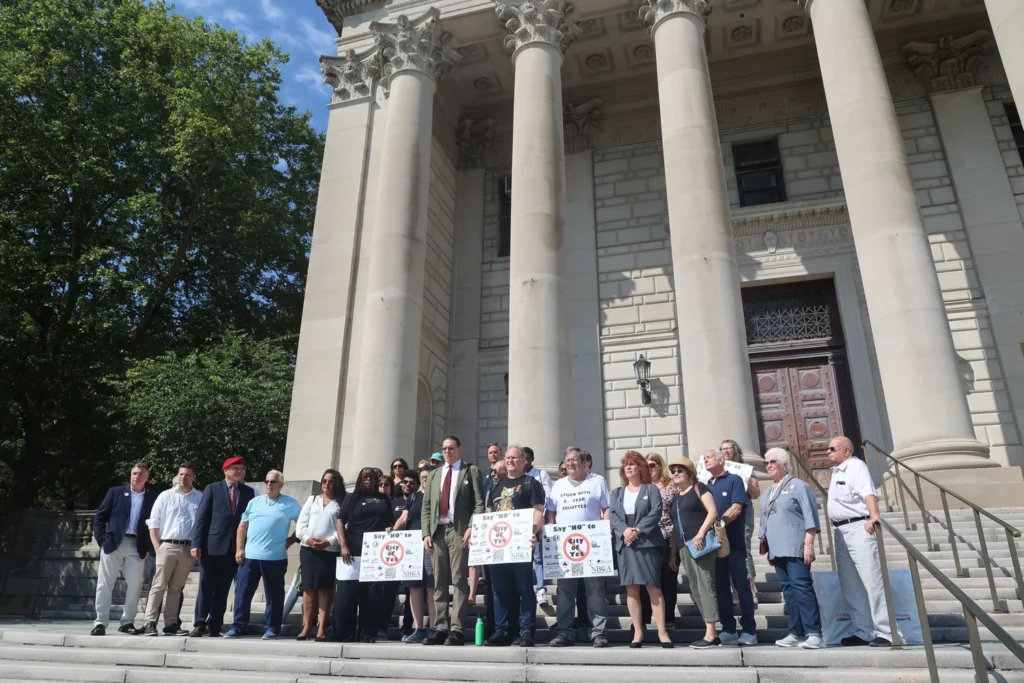
Interest in the YES Communities lawsuit extends beyond a single legal case.
Instead, the phrase generally refers to various lawsuits, resident claims, regulatory actions, and disputes involving communities managed by YES Communities across different jurisdictions.
Common issues discussed include:
- Alleged maintenance failures
- Infrastructure problems
- Utility billing disputes
- Rent increases
- Eviction proceedings
- Lease disagreements
- Consumer protection concerns
- Property management practices
It is important to recognize that these issues do not all stem from one nationwide class action lawsuit. Instead, they involve separate legal matters that vary by state, court, and individual circumstances.
Some disputes have been resolved through settlements, while others remain ongoing or involve only individual plaintiffs rather than large groups of residents.
This distinction is important because many online discussions incorrectly imply that there is one massive nationwide lawsuit affecting every YES Communities resident.
How Manufactured Housing Communities Often Become the Subject of Lawsuits
Understanding the YES Communities lawsuit also requires understanding how manufactured housing communities operate.
Unlike apartment renters, manufactured home owners may spend tens or even hundreds of thousands of dollars purchasing a home while continuing to pay monthly rent for the lot where the home sits.
Moving a manufactured home can be expensive and, in some cases, impractical. As a result, residents may feel limited in their ability to relocate if disputes arise with community management.
Legal disputes involving manufactured housing operators commonly involve issues such as:
Lot Rent Increases
Residents may challenge significant rent increases, particularly if they believe the increases violate lease agreements or applicable state laws.
Community Maintenance
Disagreements sometimes arise regarding road conditions, drainage systems, lighting, landscaping, recreational facilities, and other shared infrastructure.
Utility Charges
Some lawsuits involving manufactured housing operators have addressed billing practices for water, sewer, trash collection, or other utilities.
Community Rules
Residents occasionally dispute rule enforcement, alleging inconsistent application or unreasonable restrictions.
Evictions
Failure to pay rent, alleged lease violations, or other contractual disagreements can lead to eviction proceedings that sometimes become the subject of litigation.
These issues are not unique to YES Communities but appear across the manufactured housing industry.
YES Communities Lawsuit Timeline
Although internet searches often suggest a single lawsuit, the legal history involving YES Communities is more accurately understood as a series of disputes arising over several years.
2021
Public attention increased as residents in several communities raised concerns about rent increases, infrastructure conditions, and community management practices. Housing advocacy groups also highlighted broader issues affecting manufactured home residents nationwide.
2022
Search interest surrounding the YES Communities lawsuit 2022 grew as additional resident complaints appeared online and various legal disputes involving manufactured housing communities continued to receive media coverage. However, these matters involved different communities and legal issues rather than one unified nationwide case.
2023–2024
Residents in multiple states continued reporting concerns involving maintenance, billing practices, and communication with management. Some disputes resulted in litigation, while others were addressed through local regulatory agencies, mediation, or internal company processes.
2025–2026
Interest remains high because consumers continue searching for lawsuit updates, settlement information, and the company’s response to resident concerns. As of now, no single nationwide settlement resolves every complaint associated with YES Communities, and legal matters continue to vary depending on the specific community and jurisdiction.
What Types of Legal Claims Have Been Raised?
The lawsuits and legal disputes connected with YES Communities have covered a range of allegations rather than one consistent legal theory.
Some of the more commonly reported claims include:
Property Maintenance Issues
Residents have alleged delayed repairs to roads, drainage systems, lighting, or other common infrastructure that they believe affected safety or quality of life.
Lease Disputes
Some cases involve disagreements over lease interpretation, community rules, or contractual obligations between residents and management.
Consumer Protection Allegations
Certain legal actions have referenced alleged violations of state consumer protection laws, depending on the jurisdiction and facts involved.
Utility Billing Disputes
Residents in some communities have questioned utility charges or billing methods, although these claims differ significantly between locations.
Habitability Concerns
In some cases, residents have alleged that community conditions failed to meet applicable standards or that maintenance issues remained unresolved for extended periods.
It is important to remember that allegations made in lawsuits do not automatically establish liability. Courts evaluate evidence, applicable laws, and the specific facts of each case before reaching conclusions or approving settlements.
Why the Lawsuit Has Broader Significance
The attention surrounding the YES Communities lawsuit reflects broader questions about affordable housing in the United States.
Manufactured housing communities play an increasingly important role in providing lower-cost housing options. As institutional investors and large companies acquire more communities, residents, policymakers, and housing advocates continue debating issues such as affordability, tenant protections, infrastructure investment, and long-term housing stability.
For this reason, many legal disputes involving YES Communities have attracted interest beyond the specific communities involved. They are often viewed as part of a larger discussion about balancing business operations with the rights and expectations of residents living in manufactured home communities.
Main Allegations Raised in YES Communities Lawsuits
The legal disputes involving YES Communities are not based on one identical claim. Instead, residents, former residents, and, in some cases, government agencies have raised different allegations depending on the community involved and the applicable state laws.
Some allegations have been presented in court filings, while others remain complaints shared through consumer review platforms or housing advocacy organizations. It is important to distinguish between allegations and findings of liability, as many disputes are resolved before reaching trial.
The most frequently discussed legal issues include the following.
Rent Increases
One of the most common complaints involves increases in monthly lot rent.
Many manufactured home owners own the structure itself but lease the land underneath it. Because relocating a manufactured home can cost thousands of dollars, residents often argue they have limited bargaining power when rent increases occur.
Some lawsuits have questioned whether certain increases complied with lease agreements or state landlord-tenant laws. Others simply challenged the pace or size of rent adjustments without alleging unlawful conduct.
Community Maintenance
Residents have also reported concerns regarding maintenance of common areas, including:
- Private roads
- Drainage systems
- Street lighting
- Playground equipment
- Community buildings
- Landscaping
- Water management systems
In litigation, plaintiffs sometimes allege that delayed repairs negatively affected safety, property values, or daily living conditions.
Utility Billing Practices
Another recurring issue involves utility charges.
Residents in some communities have questioned charges related to:
- Water
- Sewer
- Trash collection
- Stormwater fees
- Administrative utility fees
Whether these charges become legal disputes depends on lease language, state regulations, and the facts of each individual case.
Communication With Management
Some lawsuits and complaints describe difficulties obtaining timely responses from community management regarding maintenance requests or policy questions.
Poor communication alone does not necessarily create legal liability, but when combined with contractual or statutory issues, it may become part of broader legal claims.
Eviction Proceedings
Certain disputes have involved eviction actions following disagreements over rent, lease terms, or alleged rule violations.
Eviction cases are highly fact-specific and generally proceed under state landlord-tenant laws.
Understanding YES Communities Complaints
Many people searching for the YES Communities lawsuit are actually looking for consumer complaints rather than court cases.
Online reviews commonly mention topics such as:
- Rising lot rent
- Delayed maintenance
- Office responsiveness
- Community rule enforcement
- Infrastructure concerns
- Billing questions
However, consumer complaints should not automatically be viewed as evidence of legal wrongdoing.
Reviews represent individual experiences and may not reflect the experiences of all residents within the company’s nationwide portfolio.
Likewise, positive reviews also exist, with some residents describing:
- Quiet neighborhoods
- Affordable housing options
- Friendly staff
- Community improvements
- Convenient locations
- Family-oriented environments
As with many large property management companies, resident experiences vary considerably between communities.
YES Communities Lawsuit Update
Interest in the YES Communities lawsuit update continues because many people expect a nationwide class action or major settlement.
At present, publicly available information does not indicate the existence of one comprehensive national settlement covering every YES Communities resident.
Instead, legal developments generally fall into several categories:
Individual Civil Lawsuits
Some residents have filed lawsuits concerning disputes unique to their community.
These cases often involve:
- Lease disagreements
- Maintenance issues
- Property conditions
- Consumer protection claims
Local Government Actions
In certain jurisdictions, municipalities or regulatory agencies may investigate code compliance, infrastructure issues, or other matters affecting manufactured housing communities.
These actions differ from private lawsuits brought by residents.
Ongoing Litigation
Some disputes remain active in state courts, while others have been dismissed, settled confidentially, or resolved through mediation.
Because lawsuits are filed in different states under different laws, there is no single nationwide timeline covering every legal matter involving YES Communities.
Has YES Communities Reached Any Major Settlement?
Searches for YES Communities lawsuit settlement amounts are common, but there is no publicly confirmed nationwide settlement amount that applies to all residents.
Settlement outcomes depend on numerous factors, including:
- The specific lawsuit
- Number of plaintiffs
- Nature of alleged damages
- Applicable state law
- Insurance considerations
- Confidential settlement agreements
Some cases may conclude through:
- Private settlements
- Court-approved agreements
- Dismissals
- Summary judgment
- Trial verdicts
Because many settlements contain confidentiality provisions, complete financial details are not always available to the public.
Anyone claiming that every YES Communities resident is entitled to a payment should be treated with caution unless supported by official court records or verified settlement notices.
Why Settlement Amounts Can Differ So Much
Even when lawsuits settle, compensation is rarely identical across cases.
Factors influencing settlement values include:
Financial Losses
Residents who experienced documented financial damages may pursue compensation for those specific losses.
Property Damage
If litigation involves damage to homes or personal property, repair costs may become part of claimed damages.
State Law
Landlord-tenant protections differ significantly between states.
The same dispute could produce different legal outcomes depending on where the community is located.
Evidence Presented
Photographs, inspection reports, lease agreements, maintenance records, and witness testimony all influence the strength of individual claims.
Class Action Versus Individual Lawsuit
Individual lawsuits typically focus on one resident or family, whereas class actions involve larger groups with shared legal issues.
The method of calculating compensation differs substantially between these types of litigation.
Are Online Claims About Large Payouts Accurate?
Social media and discussion forums sometimes claim that YES Communities residents will receive large settlement checks.
In many cases, these claims are unsupported.
Consumers should be cautious of posts that promise:
- Guaranteed payouts
- Automatic eligibility
- Immediate compensation
- Secret settlement funds
- Filing fees to receive money
Legitimate class action settlements are generally announced through:
- Court-approved notices
- Official settlement websites
- Attorneys representing the parties
- Court records
Residents should verify information through reliable legal sources before submitting personal information or paying anyone claiming to process settlement applications.
What Makes Manufactured Housing Lawsuits Different?
Manufactured housing disputes differ from traditional apartment litigation because residents often own their homes while leasing only the land.
This creates unique legal questions involving:
- Property ownership
- Lot rental agreements
- Infrastructure maintenance
- Community regulations
- Utility responsibilities
- Relocation costs
Because moving a manufactured home is expensive and sometimes impossible without significant financial loss, courts may carefully examine the contractual relationship between residents and community operators.
These unique characteristics explain why manufactured housing litigation often receives significant attention from housing advocates and policymakers.
How Residents Can Document Potential Legal Concerns
Residents who believe they are experiencing problems should maintain accurate records rather than relying solely on memory.
Useful documentation may include:
- Signed lease agreements
- Rent payment history
- Utility bills
- Maintenance requests
- Email correspondence
- Letters from management
- Inspection reports
- Photographs of property conditions
- Repair invoices
- Written notices
Maintaining organized documentation can help clarify timelines and support discussions with property management, regulators, or legal professionals if disputes arise.
How the Lawsuits and Complaints May Affect Residents
Even when residents are not directly involved in litigation, lawsuits and widespread complaints can influence daily life within manufactured housing communities. Legal disputes often bring greater public attention to management practices, community policies, and maintenance standards.
For residents, the impact depends largely on the specific community rather than the company as a whole. Some communities continue operating with few reported issues, while others may experience disagreements over maintenance, rent, or communication.
Potential effects include:
- Increased attention from local officials
- Community inspections
- Policy updates
- Infrastructure improvements
- Changes to management procedures
- Better communication with residents
- Greater awareness of tenant rights
It is important to remember that litigation does not necessarily indicate widespread problems across every property managed by YES Communities.
What Current Residents Should Know
Residents who live in a YES Communities property should remain informed about their lease, community rules, and applicable state housing laws.
Some practical steps include:
Read Your Lease Carefully
Your lease explains important matters such as:
- Lot rent
- Utility responsibilities
- Maintenance obligations
- Community rules
- Renewal procedures
- Notice requirements
Understanding these provisions helps avoid misunderstandings later.
Keep Written Records
Whenever possible, communicate maintenance requests or complaints in writing.
Emails, letters, and online service requests create a timeline that may be useful if disputes arise.
Report Safety Concerns Promptly
If residents observe issues involving roads, lighting, drainage, utilities, or other shared infrastructure, they should notify management as soon as possible and retain copies of their communications.
Learn State Tenant Protections
Manufactured housing laws vary considerably by state.
Knowing the protections available where you live can help you better understand your rights and responsibilities.
YES Communities Reviews: Why Experiences Vary
Searches for YES Communities reviews often reveal a mix of positive and negative opinions.
This variation is common for large property management companies operating hundreds of communities across multiple states.
Positive Reviews Often Mention
Some residents praise:
- Affordable housing opportunities
- Friendly office staff
- Quiet neighborhoods
- Family-oriented communities
- Convenient locations
- Recent property improvements
Many residents appreciate manufactured housing because it offers homeownership opportunities at a lower cost than traditional single-family homes.
Negative Reviews Often Mention
Critical reviews frequently reference:
- Rent increases
- Delayed maintenance
- Utility billing concerns
- Rule enforcement
- Communication issues
- Community infrastructure
These concerns do not necessarily appear in every community, but they are among the topics most frequently discussed online.
Why Online Reviews Should Be Read Carefully
Consumer reviews provide useful insights but should not be viewed as definitive evidence.
Several factors can influence reviews, including:
- Individual expectations
- Community management changes
- Local market conditions
- Timing of repairs
- Differences between communities
Reviewing multiple sources often provides a more balanced understanding than relying on a single website or social media post.
YES Communities Corporate Office and Company Response
Many people search for the YES Communities corporate office after experiencing issues at a local community.
In general, residents are encouraged to begin by working with local community management. If a concern cannot be resolved locally, they may choose to escalate the matter through the company’s regional or corporate customer service channels.
Like many large housing companies, YES Communities has stated that it works to provide professionally managed communities while addressing resident concerns through established communication processes.
Responses to specific allegations or lawsuits vary depending on the facts of each case, and the company has generally contested claims it believes are inaccurate while resolving others through appropriate legal or administrative channels.
Because ongoing litigation can change over time, company responses may differ from one case to another.
Understanding the YES Communities Portal
Another common search term is YES Communities Portal.
The resident portal is designed to simplify communication between residents and community management. Depending on the specific community, residents may be able to:
- Make online rent payments
- Review account balances
- Submit maintenance requests
- Receive community announcements
- Access important documents
- Update contact information
- Communicate with management
The availability of features may differ between communities, as not every location uses the same systems or offers identical online services.
Using the portal can also help residents maintain records of payments and maintenance requests, which may be useful if questions arise later.
How Housing Laws Regulate Manufactured Home Communities
Manufactured housing communities operate under a combination of:
- State landlord-tenant laws
- Manufactured housing statutes
- Consumer protection laws
- Local building codes
- Health and safety regulations
- Contract law
These laws determine issues such as:
Lease Requirements
Many states regulate what information must appear in leases and how lease renewals are handled.
Rent Increase Notices
Some states require advance written notice before rent increases take effect.
Community Maintenance
Property owners are generally expected to maintain common areas in accordance with applicable laws and lease agreements.
Utility Services
Utility billing practices may be governed by state regulations depending on how services are provided and billed.
Because legal requirements differ from state to state, similar disputes may have different outcomes depending on the jurisdiction.
Lessons From the YES Communities Lawsuit
The legal issues associated with YES Communities also highlight broader trends affecting manufactured housing across the United States.
These trends include:
Growing Demand for Affordable Housing
Manufactured homes continue to provide an affordable option for many families, increasing the importance of effective community management.
Rising Operating Costs
Property owners face increasing expenses related to maintenance, insurance, taxes, utilities, and infrastructure improvements.
Increased Regulatory Oversight
Government agencies have shown growing interest in consumer protection, housing quality, and manufactured home community practices.
Better Resident Awareness
Residents today have greater access to online information, review platforms, and legal resources than in previous years, making it easier to share experiences and learn about housing rights.
What to Watch Going Forward
Interest in the YES Communities lawsuit is likely to continue as housing affordability remains a major public concern.
Future developments may include:
- Additional individual lawsuits
- Regulatory investigations
- Community policy changes
- Infrastructure improvements
- Court decisions
- Private settlements
- Legislative changes affecting manufactured housing
Because legal matters continue to evolve, anyone following these issues should rely on verified court records and official announcements rather than rumors circulating on social media or discussion forums.
Read: HexClad Lawsuit
Read: Gabapentin Lawsuit
Read: The Wellness Company Lawsuit
Read: BSA Lawsuit Update Today Live
Read: The Vet Life Lawsuit Outcome
Frequently Asked Questions
Is there one nationwide YES Communities lawsuit?
No. The phrase YES Communities lawsuit is commonly used to describe various legal disputes, resident complaints, and regulatory matters involving different communities. Based on publicly available information, there is no single nationwide lawsuit that covers every YES Communities property or every resident.
What are the most common complaints about YES Communities?
Residents have reported concerns involving rent increases, maintenance delays, infrastructure conditions, utility billing, communication with management, and enforcement of community rules. However, experiences vary significantly from one community to another, and not every complaint results in legal action.
Can residents receive compensation from a lawsuit?
Compensation depends entirely on the facts of a specific case. If a lawsuit results in a settlement or court judgment, only eligible individuals covered by that particular legal action may qualify for compensation. Eligibility requirements differ from case to case.
How can I stay informed about YES Communities lawsuit updates?
The most reliable sources include official court records, government agencies, verified news organizations, and announcements from attorneys involved in specific cases. Be cautious of social media posts or websites promising guaranteed payouts without official documentation.
Final Thoughts
The YES Communities lawsuit reflects broader challenges facing the manufactured housing industry rather than a single, nationwide legal dispute. Over the years, residents in different communities have raised concerns ranging from rent increases and maintenance issues to utility billing and lease disagreements. While some of these disputes have progressed to litigation, others have been addressed through mediation, local government oversight, or internal company processes.
It is equally important to distinguish between online complaints and verified legal findings. Consumer reviews can provide insight into individual experiences, but they do not automatically establish liability or represent conditions across every YES Communities property. Likewise, the existence of a lawsuit does not necessarily mean a company has violated the law, as courts evaluate each case based on evidence, contracts, and applicable state regulations.
For current and prospective residents, understanding lease terms, keeping accurate records, and staying informed about local landlord-tenant laws remain practical steps when renting a lot in a manufactured home community. As housing affordability continues to be a national concern, legal developments involving major community operators like YES Communities will likely remain an area of public interest.
Whether you are researching a specific legal claim, following the latest lawsuit updates, or simply evaluating a manufactured home community, relying on verified information and official legal sources will provide a clearer picture than rumors or unverified online discussions alone.