

The Cora Pads Lawsuit has become a topic of growing interest among consumers who use organic and natural menstrual care products. As awareness around feminine hygiene safety increases, many shoppers are paying closer attention to product ingredients, manufacturing standards, and reported user experiences.
Questions surrounding Cora products have emerged across online forums, consumer review platforms, and social media discussions. Some users are searching for information about potential legal claims, product safety concerns, recalls, and reports involving tampons and pads sold under the Cora brand. At the same time, others want to understand whether there is an active lawsuit, what allegations have been raised, and what current evidence actually shows.
This article examines the available information, consumer concerns, legal developments, and the broader context surrounding the Cora Pads Lawsuit.
Why Consumers Started Searching for the Cora Pads Lawsuit
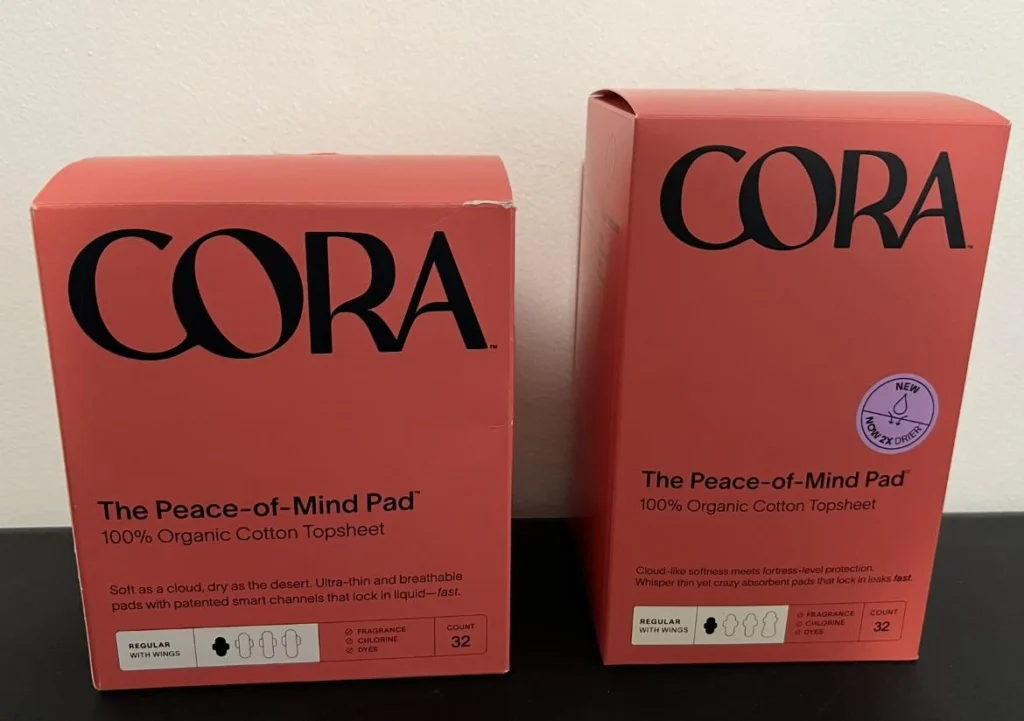
Consumer interest in the Cora Pads Lawsuit largely stems from increasing scrutiny of menstrual products across the industry. Over the last several years, public attention has shifted toward ingredient transparency, chemical testing, and product performance.
Many consumers specifically search for legal information after experiencing:
- Product discomfort
- Skin irritation
- Leakage concerns
- Applicator performance issues
- Questions about organic product claims
Online discussions have amplified these concerns, causing many users to investigate whether legal actions have been filed against manufacturers of menstrual products, including Cora.
In many cases, lawsuit-related searches increase even when no major court ruling has occurred. Consumers often want to verify whether complaints reported online have resulted in formal legal proceedings.
Is There an Active Cora Pads Lawsuit?
One of the most common questions is whether there is currently a major active lawsuit against Cora related to its pads or tampons.
Public searches reveal significant consumer interest, but individuals should understand that online discussions, social media claims, and product complaints do not automatically indicate the existence of a successful lawsuit or proven wrongdoing.
Legal actions involving consumer products can take various forms, including:
- Individual injury claims
- Class action lawsuits
- Product liability cases
- False advertising allegations
- Consumer protection claims
The status of any lawsuit can change over time as new filings, settlements, dismissals, or investigations occur. Consumers seeking current legal status should rely on official court records and reputable news reporting rather than rumors circulating online.
The Role of Product Safety Concerns in Consumer Complaints
Many searches related to the Cora Pads Lawsuit focus on product safety.
Consumers increasingly expect menstrual products to meet high standards regarding:
- Material quality
- Ingredient disclosure
- Absorbency performance
- Manufacturing consistency
- Comfort during use
When users experience unexpected reactions, they often report their experiences online. These reports may include concerns such as:
- Irritation
- Allergic reactions
- Rashes
- Discomfort during wear
- Product performance issues
While individual complaints can be important, they do not automatically establish that a product is defective or unsafe. Regulatory reviews, scientific evaluations, and legal investigations are typically required before broader conclusions can be reached.
How Consumer Reviews Influence Legal Discussions
Consumer reviews play a major role in shaping public perception of product safety.
Many users searching for the Cora Pads Lawsuit also review customer feedback to understand how others have experienced the products.
Positive reviews often highlight:
- Organic materials
- Comfortable fit
- Reliable absorbency
- Eco-conscious branding
Negative reviews may focus on:
- Personal sensitivity reactions
- Performance concerns
- Product design preferences
- Packaging complaints
It is important to recognize that consumer reviews represent personal experiences and may not reflect the experiences of all users. However, patterns of complaints can sometimes attract attention from regulators, attorneys, or consumer advocacy groups.
Questions About Cora Tampons and Applicator Performance
Another area generating discussion involves Cora tampons and applicator functionality.
Some consumers have reported concerns regarding:
- Applicator insertion
- Product deployment
- Comfort during use
- Ease of removal
Search terms related to tampons not properly releasing from applicators have appeared in online discussions and review platforms.
Product performance complaints are not unusual in the menstrual care industry. However, when large numbers of consumers report similar experiences, manufacturers may review product design, quality control procedures, and customer feedback.
These discussions often contribute to broader searches regarding potential lawsuits, recalls, or product investigations.
Recall Discussions and Consumer Confusion
Many users searching for the Cora Pads Lawsuit also look for information regarding recalls.
Product recalls can occur for many reasons, including:
- Manufacturing defects
- Contamination concerns
- Labeling errors
- Packaging problems
- Regulatory compliance issues
A common misconception is that every consumer complaint leads to a recall. In reality, recalls typically involve regulatory review or manufacturer action after identifying a specific issue.
Consumers should distinguish between:
- Online recall rumors
- Voluntary company announcements
- Official regulatory recall notices
Understanding this difference helps prevent confusion when evaluating reports circulating online.
What Reddit and Online Communities Are Saying
Online communities have become a major source of information for consumers researching menstrual products.
Discussions frequently cover:
- Product effectiveness
- Comfort comparisons
- Ingredient concerns
- Brand trustworthiness
- Customer service experiences
Reddit threads and community forums often contain both positive and negative experiences. Some users praise product quality, while others describe concerns that led them to switch brands.
While these conversations can provide useful insights into consumer sentiment, they should not be viewed as verified evidence of legal liability or product defects.
Online discussions are best used as a starting point for research rather than a final source of factual conclusions.
How Product Liability Lawsuits Typically Work
Understanding how product liability cases develop can help consumers better interpret lawsuit reports.
A product liability claim generally requires more than dissatisfaction with a product.
Potential legal elements may include:
- Defective design allegations
- Manufacturing defects
- Failure to provide adequate warnings
- Misleading advertising claims
- Demonstrable consumer harm
Attorneys evaluating potential cases often examine:
- Medical records
- Product testing
- Scientific evidence
- Regulatory findings
- Consumer complaint patterns
Because of these requirements, not every complaint results in litigation, and not every lawsuit results in liability.
The Growing Focus on Ingredient Transparency
One broader issue connected to discussions about menstrual products is ingredient transparency.
Consumers increasingly want to know:
- What materials are used
- Whether products contain fragrances
- Whether products are certified organic
- How products are tested
- What safety standards are followed
This shift has encouraged many menstrual care companies to provide more detailed information about sourcing, manufacturing, and product composition.
Transparency has become a significant factor in consumer trust and purchasing decisions.
What Consumers Should Watch Going Forward
Individuals following the Cora Pads Lawsuit topic should monitor several developments:
- Official court filings
- Regulatory announcements
- Product safety investigations
- Recall notices
- Company statements
- Consumer protection actions
Reliable information is typically found through court documents, government agencies, and established news organizations rather than social media speculation.
As consumer awareness continues to grow, companies across the menstrual care industry will likely face increasing expectations regarding safety, transparency, and product performance.
Current Outlook
At present, consumer interest surrounding the Cora Pads Lawsuit appears to be driven largely by safety discussions, product reviews, online complaints, and broader concerns about menstrual product transparency.
The situation remains an evolving topic that consumers continue to monitor. Questions regarding product performance, applicator functionality, recalls, and user experiences have contributed to ongoing public attention.
Anyone researching the issue should focus on verified information sources and remain cautious about drawing conclusions based solely on online discussions or isolated reports.
Read: Michael Oher Lawsuit
Read: McDonald’s 100% Beef Lawsuit
Read: Trellis Law
Read: MyChart Lawsuit Settlement
Read: Chime Lawsuit
Frequently Asked Questions
What is the Cora Pads Lawsuit about?
The term generally refers to consumer interest in potential legal claims involving Cora menstrual products. Searches often focus on safety concerns, product complaints, and discussions about possible litigation.
Has Cora issued a product recall?
Consumers should verify recall information through official regulatory agencies and manufacturer announcements. Online discussions alone do not confirm that a recall has occurred.
Why are people discussing Cora tampons online?
Many discussions involve product experiences, comfort, absorbency, applicator performance, and ingredient transparency. Consumer reviews frequently influence public interest in the brand.
Do consumer complaints automatically lead to lawsuits?
No. Product complaints may prompt investigations or legal reviews, but lawsuits generally require evidence supporting specific legal claims and alleged harm.
Where can consumers find reliable updates about the Cora Pads Lawsuit?
The most reliable sources include court records, government agencies, regulatory announcements, and established news organizations that report on consumer protection and product liability matters.
Conclusion
The Cora Pads Lawsuit has attracted attention from consumers seeking answers about product safety, user complaints, and potential legal developments involving Cora menstrual care products. While online discussions have raised concerns about issues such as irritation, applicator performance, and overall product experience, it is important to separate verified facts from speculation.
As of now, consumers should rely on official court records, regulatory announcements, and credible news sources when evaluating claims related to Cora products. Product reviews and community discussions can provide valuable insight into user experiences, but they do not by themselves establish legal liability or product defects.
Moving forward, transparency, safety testing, and consumer trust will continue to play a major role in the menstrual care industry. Anyone following the Cora Pads Lawsuit should stay informed through reliable sources and monitor any future legal, regulatory, or company updates that may emerge.